 11
11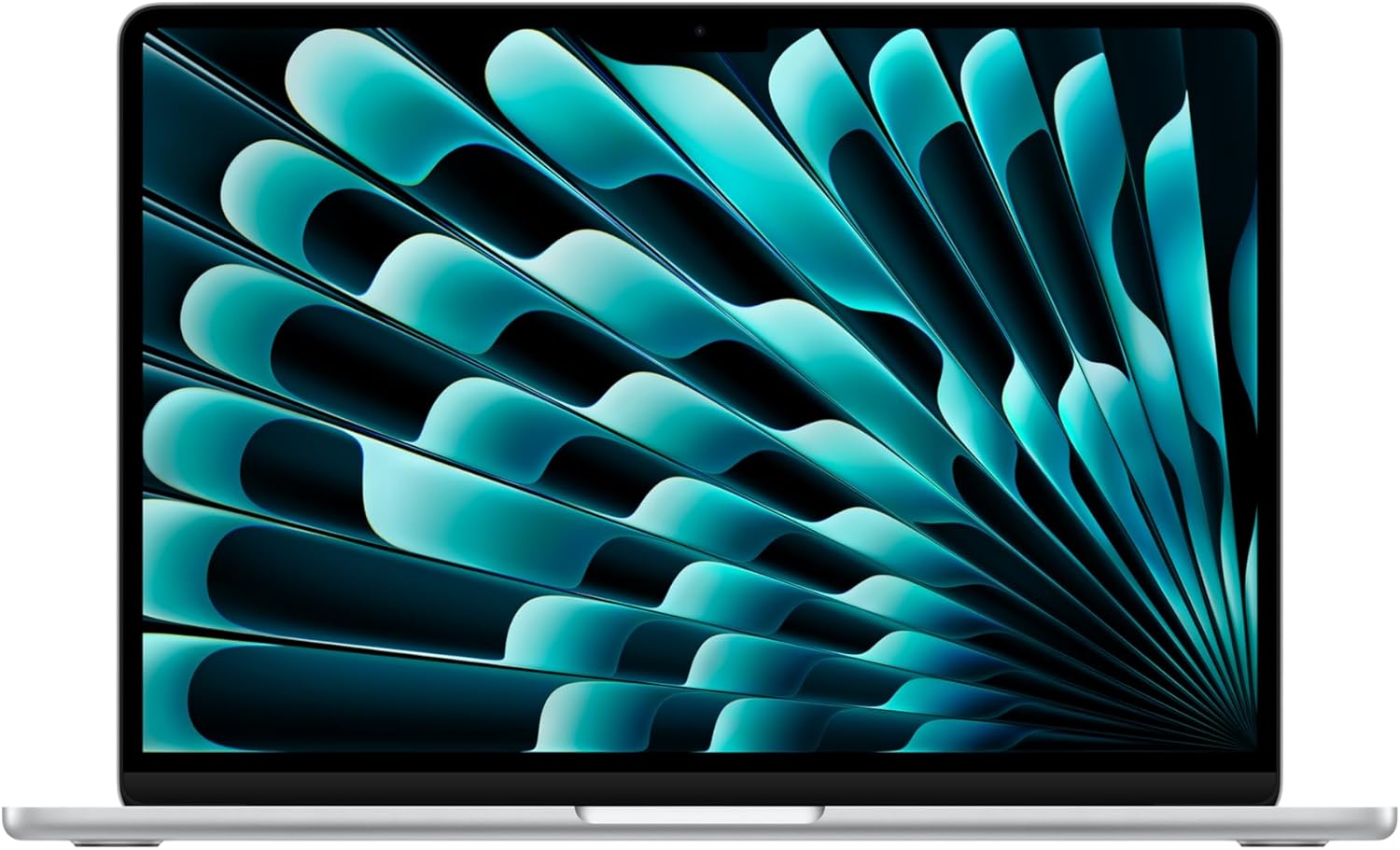
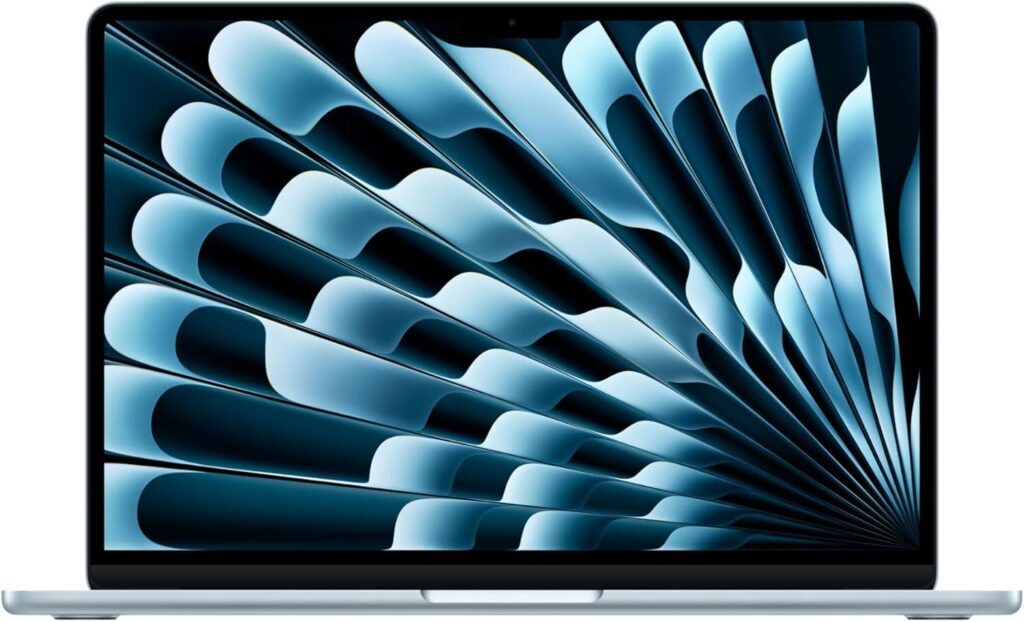
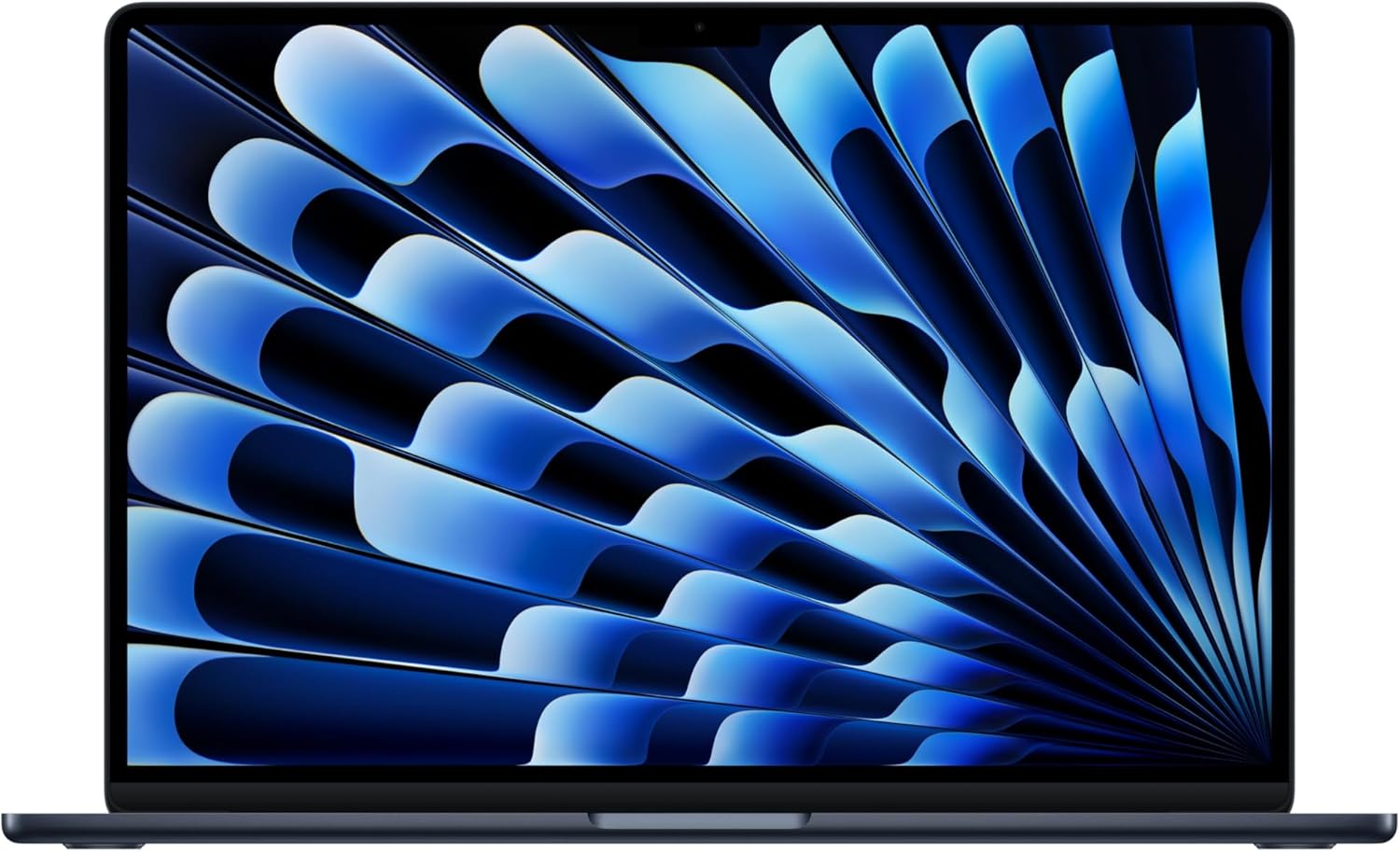
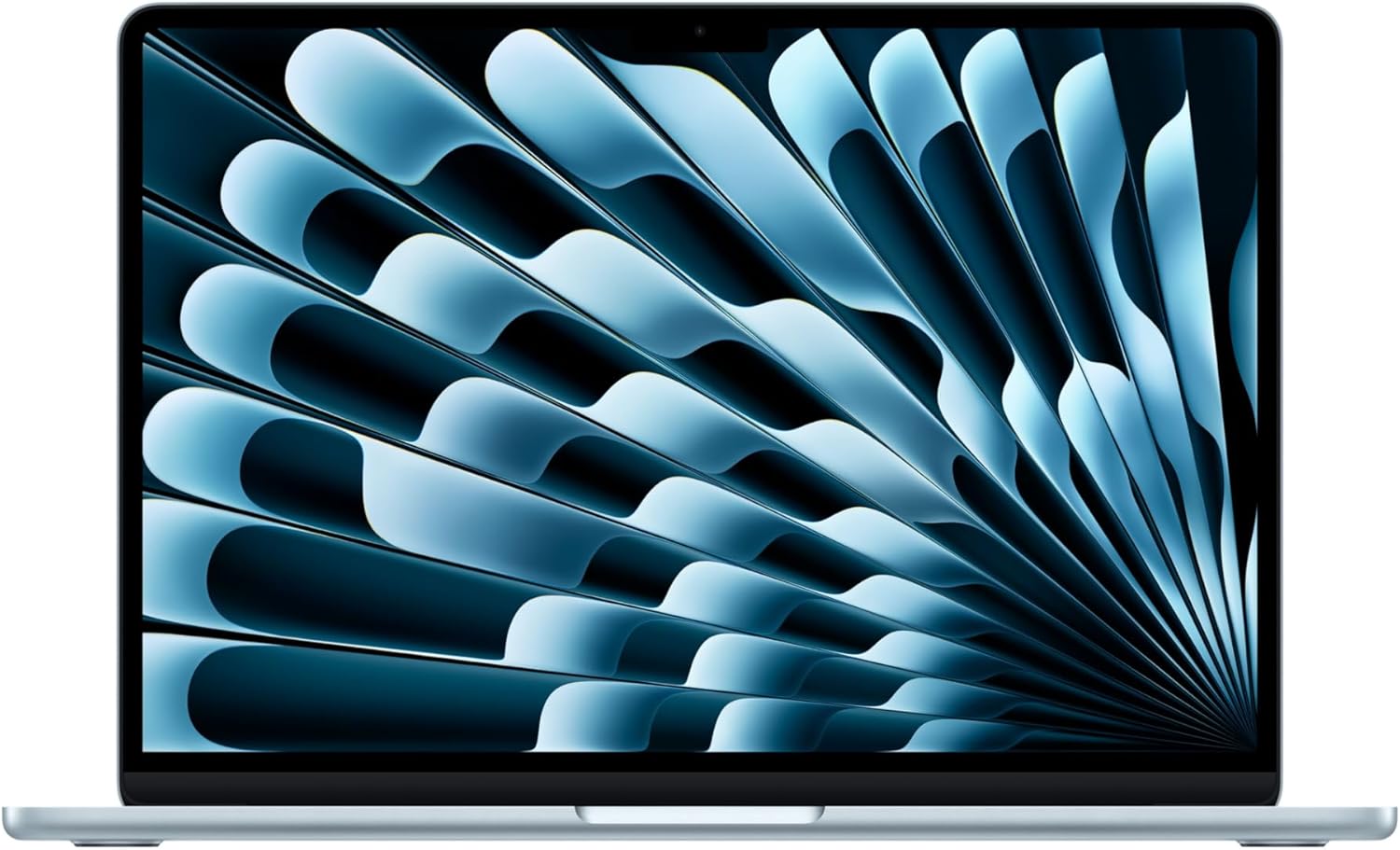
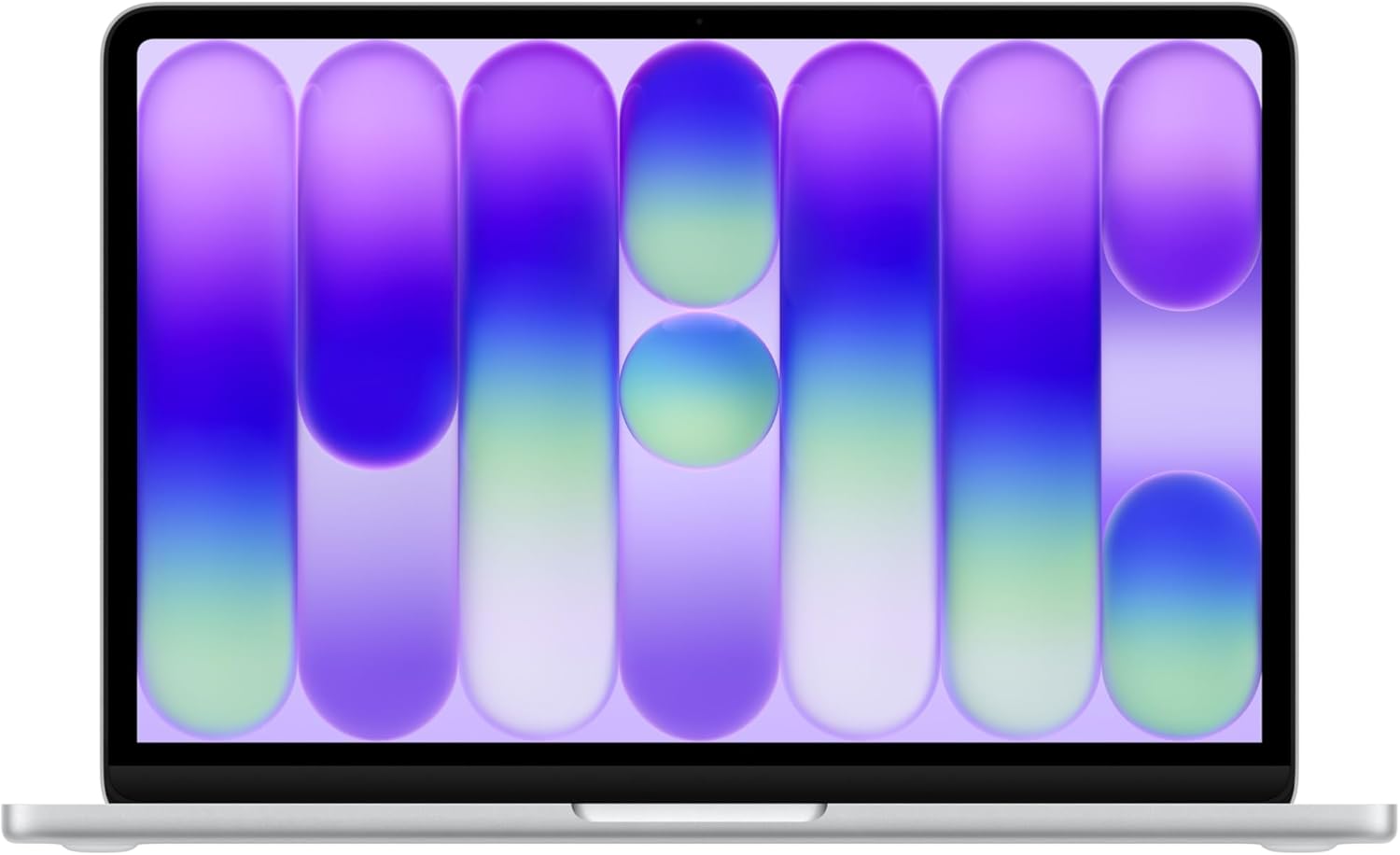
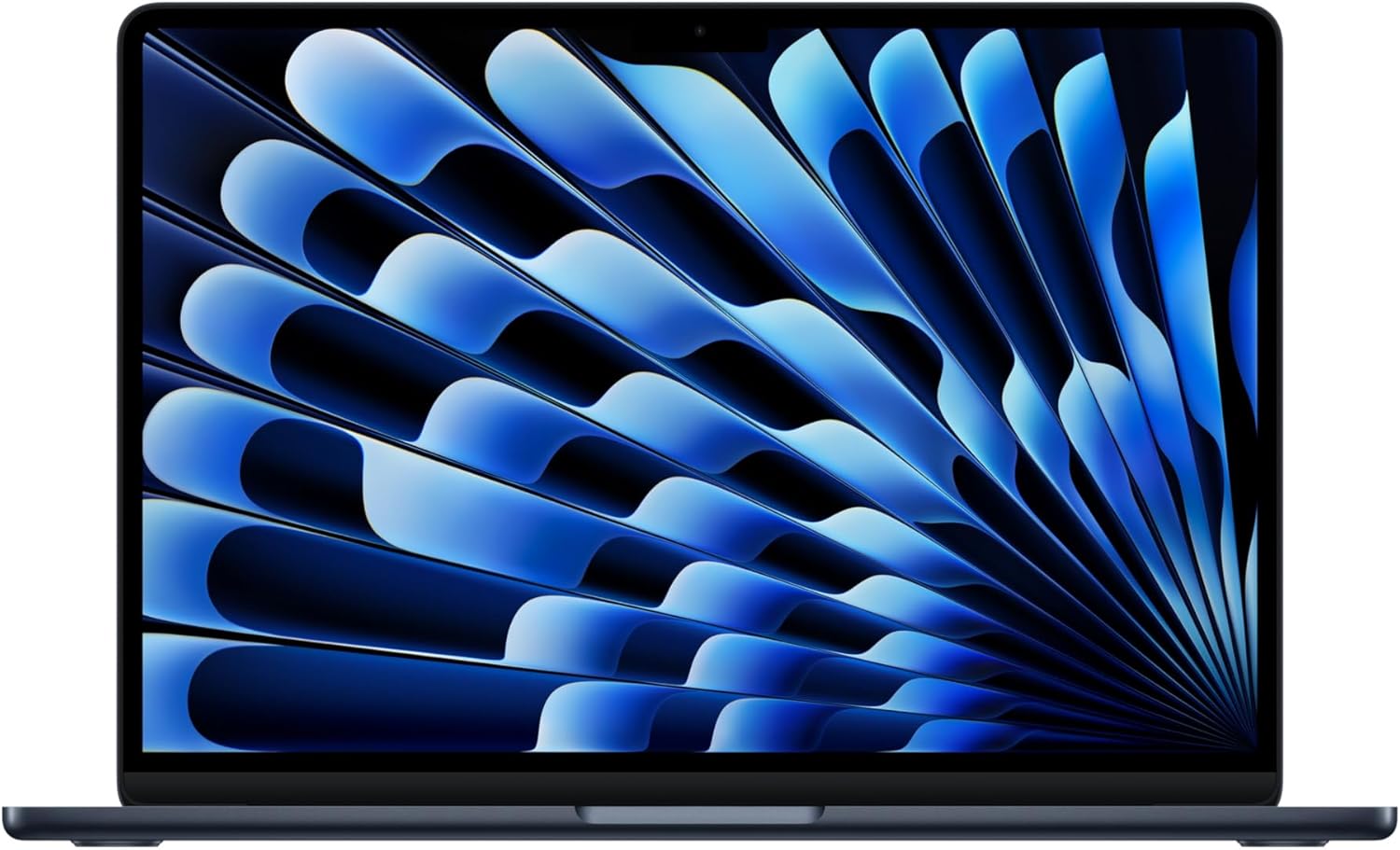
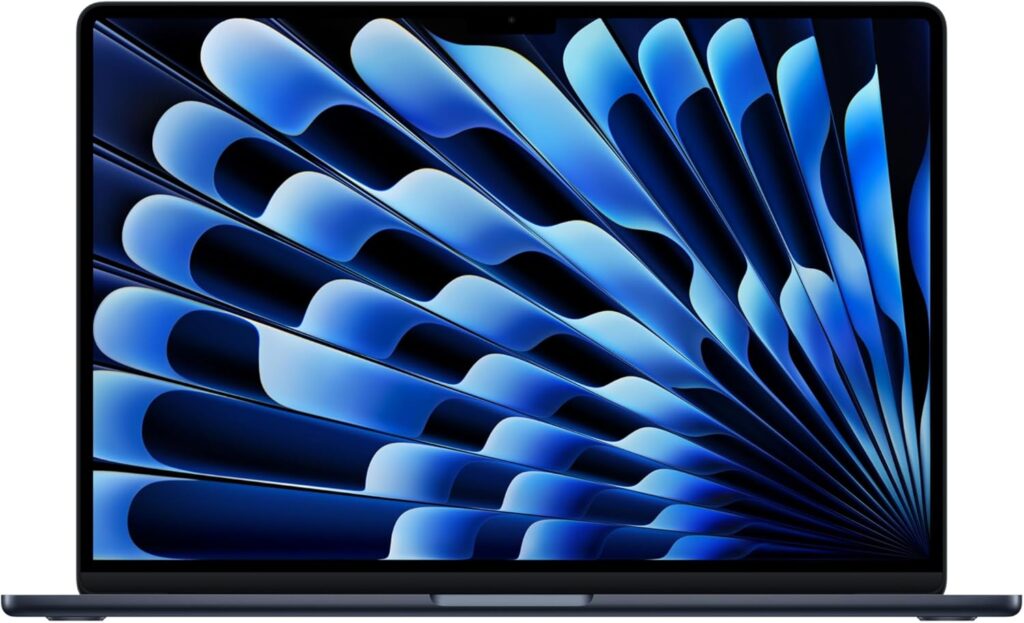
The evolution of ultraportable laptops continues to accelerate, and the Apple 2025 MacBook Air 13-inch Laptop with M4 chip stands as a strong example of how modern computing is being reshaped by efficiency, artificial intelligence integration, and refined hardware design. This model reflects a shift not just in raw performance, but in how laptops are expected to think, adapt, and support increasingly complex workflows.
This article explores the device in depth—from its architecture and display to its AI capabilities and everyday usability—offering a clear, informative perspective for readers looking to understand what defines this generation of MacBook Air.
At the heart of the 2025 MacBook Air is Apple’s M4 chip, representing the latest iteration of the company’s custom silicon. Built on an advanced fabrication process, the M4 emphasizes performance-per-watt efficiency, which has become a defining strength of Apple’s laptop lineup.
Unlike traditional processors that separate CPU, GPU, and memory, the M4 uses a unified architecture. This means tasks such as video editing, multitasking, and AI processing can occur more seamlessly, as all components share access to the same high-speed memory pool.
The result is a system that feels responsive across a wide range of use cases—from everyday browsing to more demanding creative workflows.
One of the defining themes of this MacBook Air generation is its alignment with Apple’s broader push into AI, often referred to as Apple Intelligence. Rather than relying solely on cloud-based processing, the M4 chip enables many intelligent features to run directly on the device.
This local processing approach offers several benefits:
Examples of AI-enhanced capabilities include smarter text predictions, improved photo organization, real-time language processing, and context-aware assistance across apps. These features are designed to blend into everyday workflows rather than feel like separate tools.
The 13.6-inch Liquid Retina display remains one of the standout features of the MacBook Air line. With high resolution, wide color support (P3), and strong brightness levels, it delivers sharp visuals suitable for both productivity and entertainment.
Whether editing images, watching videos, or working with documents, the display maintains consistency and clarity, which is essential for long sessions.
This configuration includes 16GB of unified memory and 256GB of SSD storage, which positions it comfortably for multitasking and everyday computing needs.
Unlike traditional RAM setups, unified memory allows the CPU, GPU, and neural engine to access the same memory pool. This reduces duplication and improves efficiency when handling complex tasks such as:
The 256GB SSD offers fast read and write speeds, contributing to:
While storage capacity depends on individual needs, the speed of the SSD ensures consistent performance regardless of workload.
The MacBook Air continues to prioritize portability without compromising durability. Its aluminum unibody construction gives it a solid feel while keeping weight to a minimum.
The absence of a fan is particularly notable. Thanks to the efficiency of the M4 chip, the system remains cool under most workloads without active cooling, which contributes to a quieter and more comfortable user experience.
User interaction is a critical part of any laptop experience, and this MacBook Air maintains a refined approach.
The keyboard offers:
Apple’s large trackpad remains one of the most precise available, supporting:
Integrated into the keyboard, Touch ID enables:
These elements combine to create an interface that feels intuitive and efficient for both casual and professional users.
Video conferencing has become an essential part of modern computing, and the inclusion of a 12MP Center Stage camera reflects that shift.
This feature is particularly useful for remote work, online learning, and virtual meetings, where consistent framing and image clarity can enhance communication.
One of the major benefits of Apple silicon is energy efficiency. The MacBook Air is designed to deliver long battery life, allowing users to work throughout the day without frequent charging.
This makes the device suitable for travel, remote work, and extended use away from power sources.
While maintaining a minimalist design, the MacBook Air includes essential connectivity options:
Beyond hardware, the laptop integrates seamlessly into the Apple ecosystem. Features like AirDrop, Handoff, and iCloud synchronization allow smooth transitions between devices such as iPhones and iPads.
The real strength of this MacBook Air lies in how it handles daily tasks:
The balance between power and efficiency ensures consistent performance without noticeable slowdowns.
Apple’s control over both hardware and software plays a significant role in the MacBook Air’s performance. macOS is optimized specifically for Apple silicon, allowing better resource management and smoother operation.
This tight integration contributes to the overall responsiveness and reliability of the system.
Security remains a core focus, with multiple layers of protection built into the device:
These features work together to protect user information while maintaining convenience.
The MacBook Air with M4 chip is positioned as a versatile device that can serve a wide range of users:
Its balance of performance, portability, and efficiency makes it adaptable to various scenarios without leaning too heavily toward any single niche.
The Apple 2025 MacBook Air 13-inch Laptop with M4 chip represents a continuation of Apple’s strategy to refine the ultraportable laptop category through custom silicon and intelligent features. Rather than focusing solely on raw specifications, it emphasizes a cohesive experience—where hardware, software, and AI capabilities work together seamlessly.
From the efficient M4 chip and vibrant Liquid Retina display to the integration of Apple Intelligence and improved camera system, each component contributes to a device designed for modern computing needs. It reflects a broader trend toward smarter, more efficient laptops that prioritize both performance and user experience.
As computing continues to evolve, devices like this MacBook Air illustrate how portability, intelligence, and power can coexist in a compact form factor—setting a benchmark for what users can expect from next-generation laptops.